Char Dham Yatra Guide: Route, Best Time to Visit, Travel Tips and Important Information
The Char Dham Yatra is one of the most important religious journeys for Hindu pilgrims in India. Located in the beautiful state of Uttarakhand, the traditional Char Dham circuit in the region covers four sacred temples: Yamunotri, Gangotri, Kedarnath and Badrinath. Every year, thousands of devotees travel through the Himalayan mountains to seek blessings, spend time in prayer and experience the spiritual atmosphere of these ancient pilgrimage sites.
For many families, the Char Dham Yatra is a journey they have planned for years. Some people undertake it as an expression of faith, while others see it as an opportunity to visit the temples and experience the natural beauty of the Himalayas. The journey can be deeply rewarding, but it also requires proper planning because the temples are located in mountainous areas where the weather, road conditions and travel times can change quickly. If you are planning your first visit, understanding the route, the best time to travel and the arrangements you need to make can help you prepare for a smoother pilgrimage.
What Are the Four Dhams of Uttarakhand?
The Char Dham Yatra includes four sacred destinations, each with its own religious significance and travel conditions. Most pilgrims visit all four temples in the traditional order, although the itinerary may vary depending on the starting point, available time and weather.
| Dham | Location | What Makes It Special |
|---|---|---|
| Yamunotri | Near Janki Chatti | Dedicated to Goddess Yamuna; the final stretch is completed on foot or by permitted local transport options |
| Gangotri | Uttarkashi district | Dedicated to Goddess Ganga and associated with the origin of the River Ganga |
| Kedarnath | Rudraprayag district | One of the twelve Jyotirlingas of Lord Shiva, located in the high Himalayas |
| Badrinath | Chamoli district | Dedicated to Lord Vishnu and situated along the Alaknanda River |
Each temple offers a different experience. Yamunotri and Kedarnath require additional physical preparation because pilgrims must cover a trekking section to reach the shrines. Gangotri and Badrinath are generally accessible by road during the pilgrimage season, although mountain driving conditions can still make the journey tiring. Since the four temples are spread across a large mountainous region, it is best to plan the yatra as a multi-day trip rather than trying to complete it in a hurry.
Best Time to Visit Char Dham
The Char Dham temples generally open for pilgrims during the spring season, around April or May, and close around October or November, depending on the Hindu calendar and the conditions at each shrine. The exact opening and closing dates change every year, so travellers should confirm the official dates before booking transport or accommodation.
May and June are popular months because many families plan their pilgrimage during this period. However, these months can also be busy, particularly around school holidays and major religious occasions. Accommodation may fill quickly, traffic can build up on mountain roads, and waiting times at the temples may be longer than expected. Booking in advance and keeping some flexibility in your schedule can make a noticeable difference.
September and early October can also be suitable for travel, depending on the weather. The monsoon season usually brings heavier rainfall to Uttarakhand, increasing the possibility of landslides, road closures and travel delays. This does not mean that every route will be affected, but it is important to check weather forecasts and local travel advisories before departure. Avoid planning a tight itinerary that leaves no room for unexpected changes.
Char Dham Yatra Route: Where Should You Start?
Many pilgrims begin their journey from Haridwar, Rishikesh or Dehradun, depending on their transport arrangements. The traditional route generally starts with Yamunotri, followed by Gangotri, Kedarnath and Badrinath. However, the best starting point depends on where you are travelling from and how you intend to reach Uttarakhand.
From Haridwar or Rishikesh, the journey continues through mountain towns and valleys towards the four pilgrimage sites. The roads wind through the Himalayas, passing rivers, forests, small settlements and mountain viewpoints. While the scenery is beautiful, driving distances can be misleading. A route that looks short on a map may take several hours because of narrow roads, bends, traffic, roadwork or weather conditions.
For this reason, avoid planning the entire yatra around estimated driving times alone. Allow enough time to reach each overnight stop, rest properly and complete the temple visits without rushing. If you are travelling with older family members or children, a more relaxed itinerary is usually a better choice than trying to cover too much in a single day.
Yamunotri: The Beginning of the Pilgrimage
Yamunotri is dedicated to Goddess Yamuna and is traditionally the first stop on the Char Dham Yatra. The temple is located in a remote Himalayan setting, surrounded by mountain slopes and natural scenery. For many pilgrims, reaching Yamunotri marks the beginning of a journey that combines devotion with physical effort.
Travellers generally reach Janki Chatti by road and then complete the remaining stretch to the temple on foot. The trek is approximately 5–6 kilometres one way, though the experience can feel more demanding because of the steep sections, altitude and changing weather. Pony or palanquin services may be available through local operators, subject to regulations and conditions at the time of travel. It is sensible to check current arrangements before relying on any particular option.
Take your time on the climb, carry drinking water and wear comfortable shoes with a good grip. If you have knee problems, heart or lung conditions, or difficulty walking uphill, speak with your doctor before planning the visit. The aim is to complete the pilgrimage safely rather than pushing yourself beyond your physical limits.
Gangotri: The Sacred Home of Goddess Ganga
Gangotri is one of the most significant stops on the yatra and is closely associated with the descent of the River Ganga to Earth. The temple stands in a striking Himalayan landscape, where mountain views, fresh air and the sound of flowing water create a peaceful atmosphere. Pilgrims visit to offer prayers and seek blessings from Goddess Ganga.
Compared with Yamunotri and Kedarnath, Gangotri is generally more accessible because the temple can be reached by road during the pilgrimage season. Even so, the drive through the mountains takes time, and the altitude may affect visitors who are not accustomed to it. Keep warm clothing handy, even if the weather feels pleasant at lower elevations.
Some travellers also wish to visit Gaumukh, the source area of the Bhagirathi River, but this is a separate trek and requires additional planning and the necessary permissions. Do not assume that a Gangotri temple visit automatically includes Gaumukh. If you want to add this trek, check the latest access rules, fitness requirements and permitted arrangements beforehand.
Kedarnath: A Spiritual Journey into the Mountains
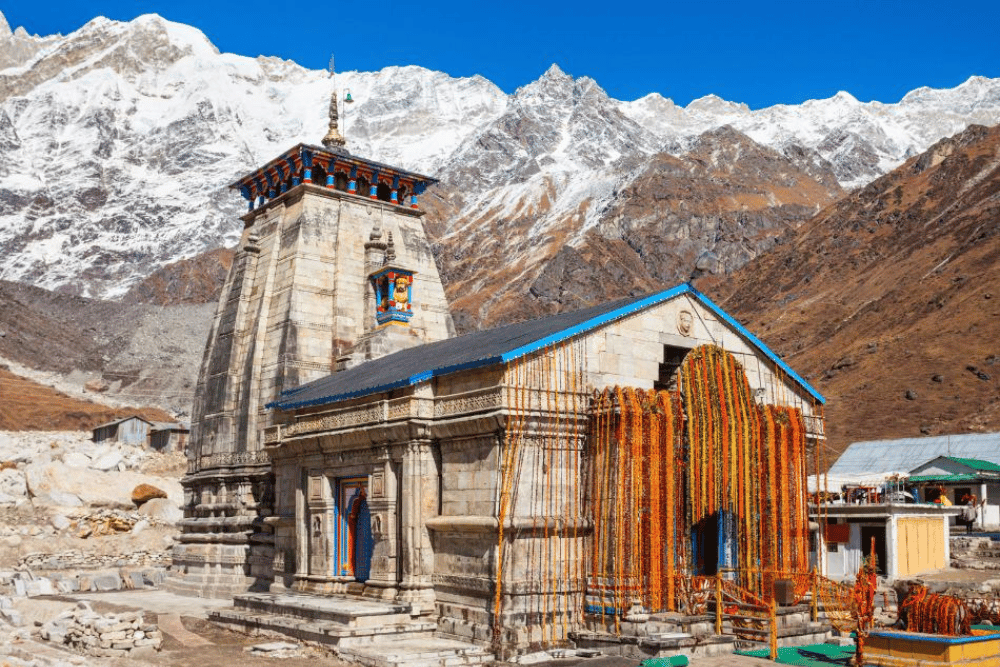
Kedarnath is often the most physically demanding part of the Char Dham Yatra. Dedicated to Lord Shiva, the temple is one of the twelve Jyotirlingas and stands in a dramatic setting surrounded by high Himalayan peaks. For many devotees, reaching Kedarnath is the emotional highlight of the pilgrimage.
Pilgrims usually travel by road to Gaurikund and then continue towards the temple on a trekking route of approximately 16–18 kilometres one way, depending on the route and current arrangements. The climb can be challenging, particularly for people who are not used to long walks or steep terrain. Weather conditions can change quickly, so proper footwear, layered clothing, water and a realistic pace are important.
Pony, palanquin and other authorised transport options may be available during the season, but availability, rules and charges can change. Helicopter services may also operate subject to weather, permissions and booking conditions. Always use authorised providers and verify the latest arrangements through official channels.
Do not underestimate the Kedarnath trek simply because you have completed other parts of the yatra. Give yourself enough time, avoid rushing and follow local instructions. If you have a medical condition or concerns about walking at high altitude, consult your doctor before the trip.
Badrinath: The Abode of Lord Vishnu
Badrinath is dedicated to Lord Vishnu and is situated along the Alaknanda River. Its temple, colourful surroundings and mountain backdrop make it a memorable destination for pilgrims. Many travellers find Badrinath comparatively easier to access because the temple is connected by road during the pilgrimage season, although the journey can still be long.
After offering prayers, visitors may explore nearby places such as Mana village, subject to current access conditions. The village is known for its Himalayan setting and cultural significance. Depending on the available time and local conditions, travellers may also visit other nearby viewpoints or religious sites.
The weather in Badrinath can be cold, even during the main pilgrimage months. Carry warm layers and keep some time available for darshan, meals and rest. If you are travelling with family, discuss the day's plan beforehand so that everyone can move comfortably without feeling hurried.
How Many Days Are Needed for the Char Dham Yatra?
A complete Char Dham Yatra commonly takes around 10–12 days by road, though the actual duration depends on your starting point, road conditions, accommodation, the time spent at each temple and whether you choose any additional travel services. Some itineraries take longer, especially when they include rest days or travel from distant cities.
If you are travelling from Delhi, remember that reaching Uttarakhand and returning home also take time. Avoid choosing an itinerary solely because it promises to complete the journey in the fewest possible days. A very tight schedule can leave you exhausted and may become difficult to follow if a road is closed or the weather changes.
Families travelling with senior citizens should consider extra rest time and check the physical demands of each stop before booking. If you have only a limited number of days, it may be more practical to plan a shorter pilgrimage rather than rushing through all four temples.
Important Tips Before You Begin the Yatra
A little preparation can make the Char Dham Yatra more comfortable and help you deal with the practical challenges of travelling in the Himalayas.
Complete the required registration: Check the official Char Dham registration process and complete any required formalities before travelling.
Check temple dates and road conditions: Opening dates, route access and local travel rules can change. Confirm the latest information before departure.
Pack for cold and changing weather: Carry warm layers, a waterproof jacket, comfortable walking shoes, socks and rain protection.
Prepare for walking: Yamunotri and Kedarnath involve trekking. Start with regular walks before your trip and choose a pace you can manage.
Carry your medicines: Keep prescribed medication, basic first-aid supplies and any personal medical documents with you.
Book accommodation and transport early: Popular dates can be busy, especially in May and June. Confirm what is included in your booking.
Keep cash and essential items handy: Do not depend entirely on mobile payments or uninterrupted network coverage in remote areas.
Respect local customs and the environment: Follow temple instructions, avoid littering and use authorised transport and accommodation services.
Altitude and exertion can cause health problems, particularly for people with existing medical conditions. If you experience severe breathlessness, chest pain, confusion, difficulty walking or a worsening headache with vomiting, seek medical assistance promptly. Do not ignore symptoms or continue climbing just to keep to a schedule.
Is a Char Dham Yatra Package Worth Booking?
Planning the Char Dham Yatra independently is possible, but it involves coordinating transport, accommodation, temple visits and overnight stops across a large mountainous region. Travellers who are unfamiliar with Uttarakhand may find these arrangements difficult, especially during busy periods or when weather affects the route.
A well-planned tour package can make the process easier by bringing the main arrangements together. Before booking, read the itinerary carefully and check the hotel category, transport type, meal plan, number of travel days and any additional charges. Ask whether registration assistance is included and clarify which services, such as helicopter transfers or local transport for trekking sections, are excluded from the package price.
It is also worth checking how the operator handles delays and route disruptions. Mountain travel is affected by conditions that no tour company can fully control, so a realistic itinerary and clear communication are more valuable than promises of a guaranteed, hassle-free journey.
Plan Your Char Dham Yatra with TripLite Holidays
The Char Dham Yatra is more than a holiday. It is a pilgrimage that asks you to make time for faith, patience and the journey itself. From the climb towards Yamunotri and Kedarnath to the peaceful surroundings of Gangotri and Badrinath, every destination offers a different experience of Uttarakhand's spiritual and natural heritage.
At TripLite Holidays, you can explore travel arrangements that suit your schedule, budget and group requirements. Whether you are travelling with family, planning a pilgrimage with friends or organising a trip for senior citizens, take time to compare the itinerary and understand the arrangements before confirming your booking. With realistic planning, suitable preparation and attention to local guidance, you can make your Char Dham Yatra more comfortable and focus on what matters most: completing the pilgrimage safely and meaningfully.
